
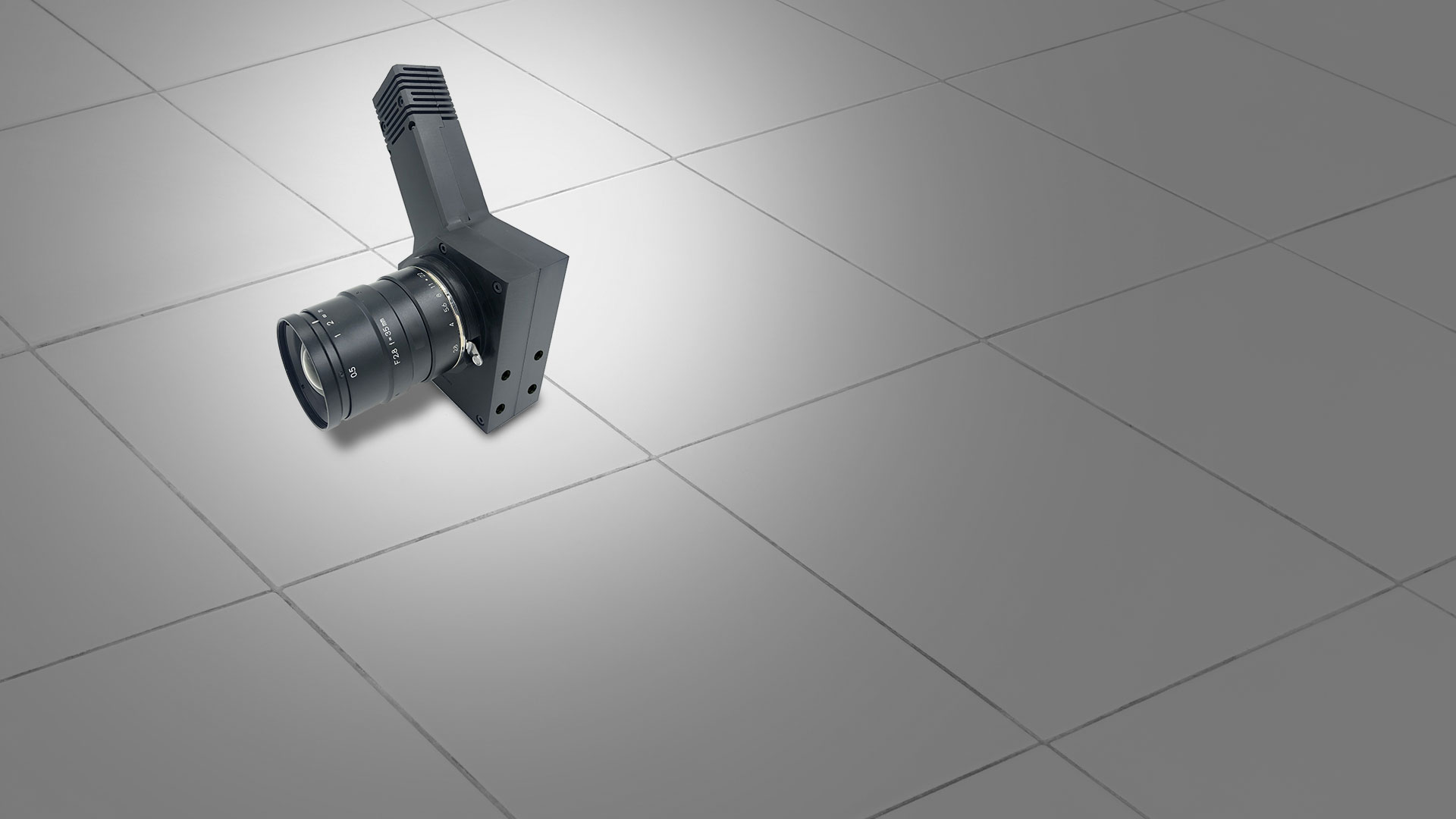
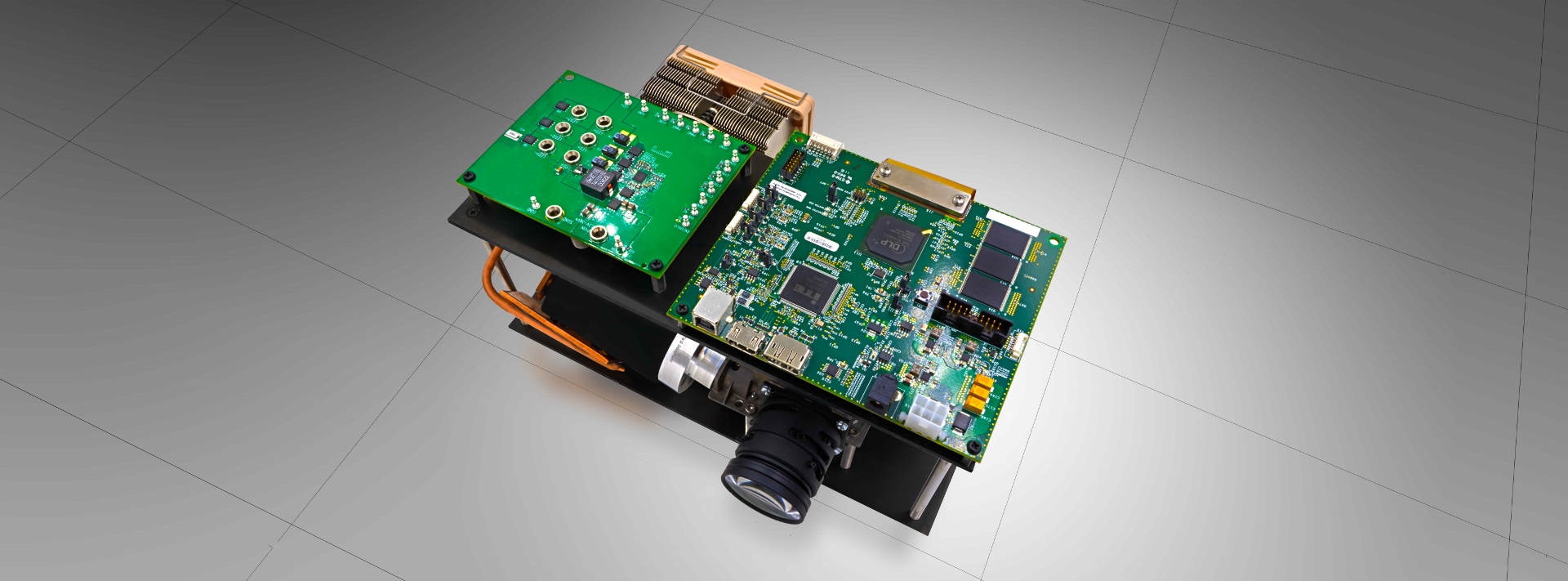








| RAY 65S Optical Module | |
|
|
|
- Overview
- Features
- Specifications
- What's Included
- Applications
Summary of Features:
· High definition optics – provides the highest image quality available
· Highly Uniform Images 90%
o if all the DMD pixels are set to the same state, every pixel in the projected image will have nearly the same intensity
o important for 3D printing and screen imaging, where every pixel within a layer must have the same level and depth of curing to produce mechanically sound objects (printing) or high quality print screens.
· Separate illumination and projection path
o reduces background light, produces high contrast images
· Light from off pixels contained by an internal chamber
o reduces background light (no leakage) – important for 3D printers and curing of emulsions (for example, producing stencils for print screening) to prevent the creation of unwanted pieces or transferred images
· Anti-reflection coating on all optics to improve optical throughput (minimal power loss)
· System designed explicitly for the aspect ratio of the DMD
o reduces losses due to mismatches between the shape of the illuminating beam and the shape of the DMD (no overfill)
o improves uniformity and minimizes image distortions
| Specification | RAY 65 | RAY 65S |
| DMD | 0.65” 1080p Type A | 0.65” 1080p s600 |
| DMD Aspect ratio | 16:9 | 16:9 |
| Wavelength range | 405 nm – 700 nm | 420 nm – 700 nm\ |
| Contrast Ratio | 11,000:1 | 11,000:1 |
| Image Uniformity | 90% | 90% |
| Working Distance | > 0.3 m | > 0.3 m |
| Manual Zoom | 1.2x | 1.2x |
| Light Power Density | High (up to 25 W/cm2) | Moderate |



How DLP works?
At the heart of every DLP chipset is an array of highly reflective aluminum micromirrors known as the digital micromirror device (DMD). The DMD is an electrical input, optical output micro-electrical-mechanical system (MEMS) that allows developers to perform high speed, efficient, and reliable spatial light modulation. Using TI's proven semiconductor manufacturing capabilities, each DMD contains up to 2 million individually controlled micromirrors built on top of an associated CMOS memory cell. Since the first DLP chipset was sold in 1996, TI has produced more than 35 million DMDs for customers around the world.